

Why zero-party data matters
Marketers have been talking about first-party data for years. Yet the shift towards zero-party data is transforming how businesses build trust and relevance.
Zero-party data is information that customers choose to share with you, such as their preferences, intentions, or feedback.
Unlike inferred data, it’s volunteered. That makes it both more accurate and more respectful of privacy expectations.
In an age of cookie deprecation and stricter data laws, businesses that excel at value exchange will win. Customers no longer accept being tracked silently. They want clear reasons to share, and they expect something in return.
What value exchange really means
At its core, value exchange is a fair trade. A customer gives you their data because they receive something useful, relevant, or enjoyable in return. When done well, it creates loyalty, improves personalisation, and fuels growth.Examples include:
- Personalised recommendations that make shopping easier.
- Exclusive content such as guides, reports, or event access.
- Loyalty perks that reward ongoing engagement.
- Interactive tools like quizzes or calculators that deliver insight.
Practical ideas that convert
Here are strategies that consistently perform across industries:- Preference centres that empower choice
Allow customers to set the topics, frequency, and channels of communication that they prefer. This gives them control and builds confidence in your brand. - Gamified experiences
Quizzes, challenges, or polls work well for capturing taste, lifestyle, and intent data. Done creatively, they spark engagement while providing rich insight. - Tiered rewards programmes
Loyalty systems that unlock benefits at different stages encourage deeper participation. Sharing information feels like part of progressing within the programme. - Personalisation trials
Show the power of sharing data by giving a taste of personalisation upfront. For example, “Tell us your style preference and see curated picks instantly.” - Community access
Forums, groups, or online events where customers can learn or connect give strong motivation to opt in and share details. - Educational value
White papers, webinars, or tutorials gated by voluntary data capture often generate better-qualified leads than forms asking for too much too soon.
Linking personas to zero-party data
Your customer personas should inform every choice you make.
A well-built persona clarifies what motivates people, which channels they use, and what barriers they face.
Matching your data capture ideas to those motivations ensures stronger results.
For example, a time-poor professional may prefer a quick quiz, while a research-driven buyer values a detailed benchmark report.
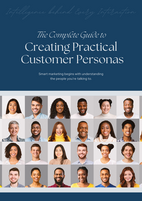
Click to find out more about Personas
Measuring success
Capturing zero-party data is only half the story. You must prove that the exchange was worthwhile:- Track opt-in rates and completion rates on experiences.
- Measure downstream metrics such as conversion and retention.
- Monitor churn or unsubscribe behaviour to check if trust is maintained.
Final thoughts
Zero-party data is not a trend but a necessity. By offering value upfront, you gain insight that improves every interaction.
This isn’t about extracting more information; it’s about building relationships where transparency and benefit flow both ways.
#DigitalStrategy #CustomerEngagement #DataDrivenMarketing
